
Business Performance Evaluation and Market Forecasting: 585554303, 914904040, 374945100, 4808456358, 917283690, 923285104
Business performance evaluation and market forecasting are essential components for organizational success. Key performance indicators (KPIs) provide measurable insights into operational effectiveness. Data analytics further refines these evaluations, allowing for a nuanced understanding of market dynamics. Predictive modeling techniques play a pivotal role in anticipating future trends. However, the challenge lies in effectively implementing these insights to drive strategic decisions. Exploring these elements reveals critical strategies for maintaining competitive advantage.
Understanding Key Performance Indicators (KPIs)
Key Performance Indicators (KPIs) serve as essential metrics that organizations utilize to gauge their performance against defined objectives.
These KPI metrics provide a framework for assessing progress and aligning activities with strategic goals.
The Role of Data Analytics in Performance Evaluation
Data analytics plays a pivotal role in enhancing performance evaluation processes within organizations.
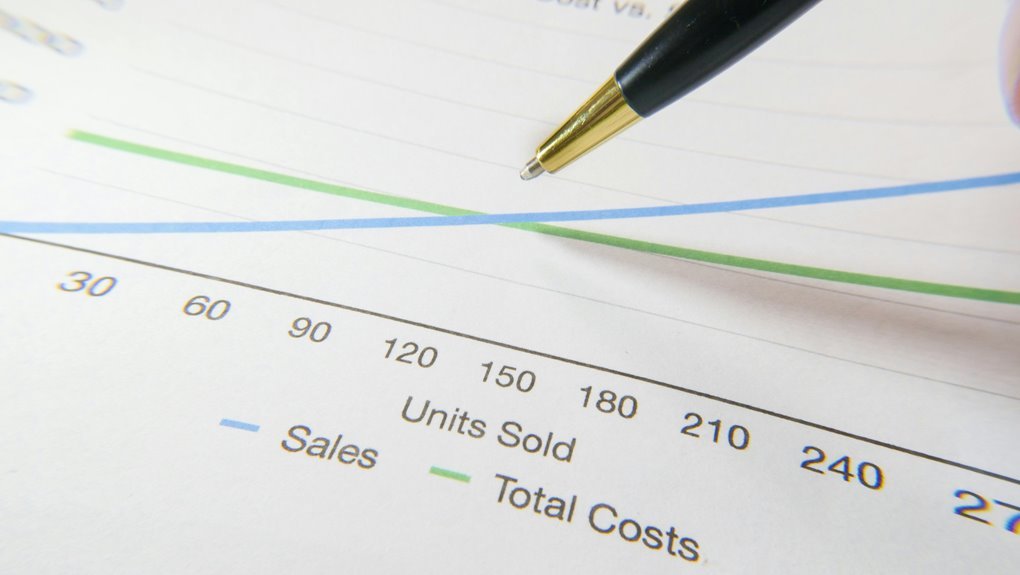
By utilizing data visualization techniques, stakeholders can easily interpret complex data sets, facilitating informed decision-making.
Moreover, trend analysis allows organizations to identify patterns over time, leading to proactive adjustments in strategy.
Together, these tools empower businesses to optimize performance and adapt to market demands effectively, fostering an environment of continuous improvement.
Predictive Modeling Techniques for Market Forecasting
While various techniques exist for market forecasting, predictive modeling stands out as a powerful method that leverages historical data to project future trends.
These forecasting models enhance predictive accuracy by utilizing algorithms to identify patterns and correlations within datasets.
Implementing Insights for Strategic Business Decisions
As organizations strive to maintain a competitive edge, implementing insights derived from predictive modeling becomes essential for informed strategic business decisions.
Effective strategic alignment requires organizations to integrate data-driven insights into decision frameworks, ensuring that actions align with long-term goals.
Conclusion
In conclusion, effective business performance evaluation and market forecasting hinge upon the strategic use of KPIs and data analytics. As the adage goes, “What gets measured gets managed,” illustrating the importance of quantifiable metrics in guiding decision-making. By integrating predictive modeling techniques, organizations can anticipate market trends and adapt accordingly. This data-driven framework not only enhances operational agility but also cultivates a culture of continuous improvement, positioning businesses for sustained success in an ever-evolving landscape.


